
Sep 05, 2026
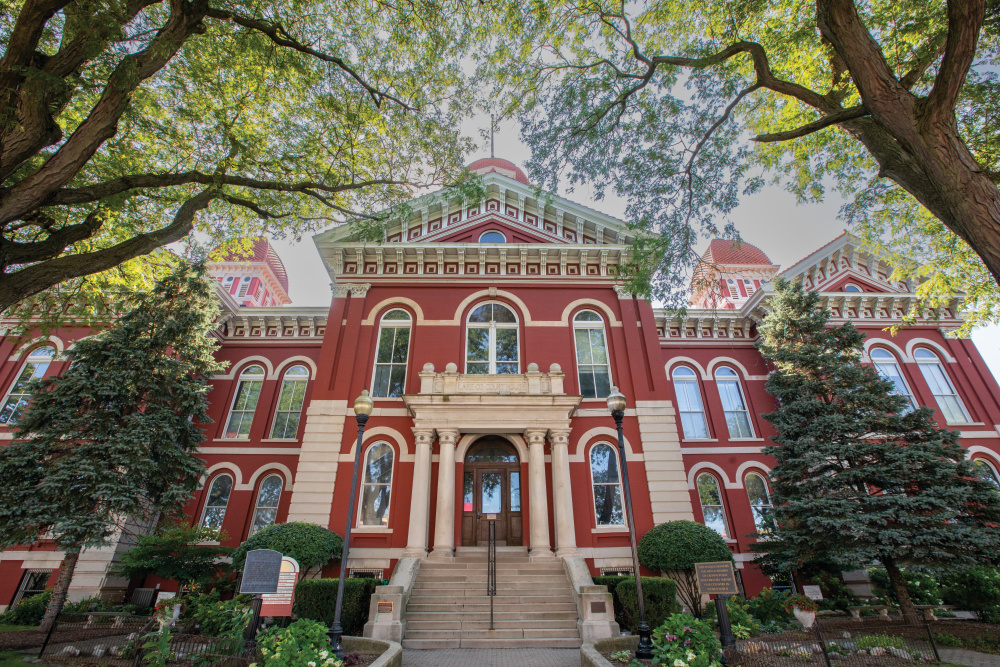
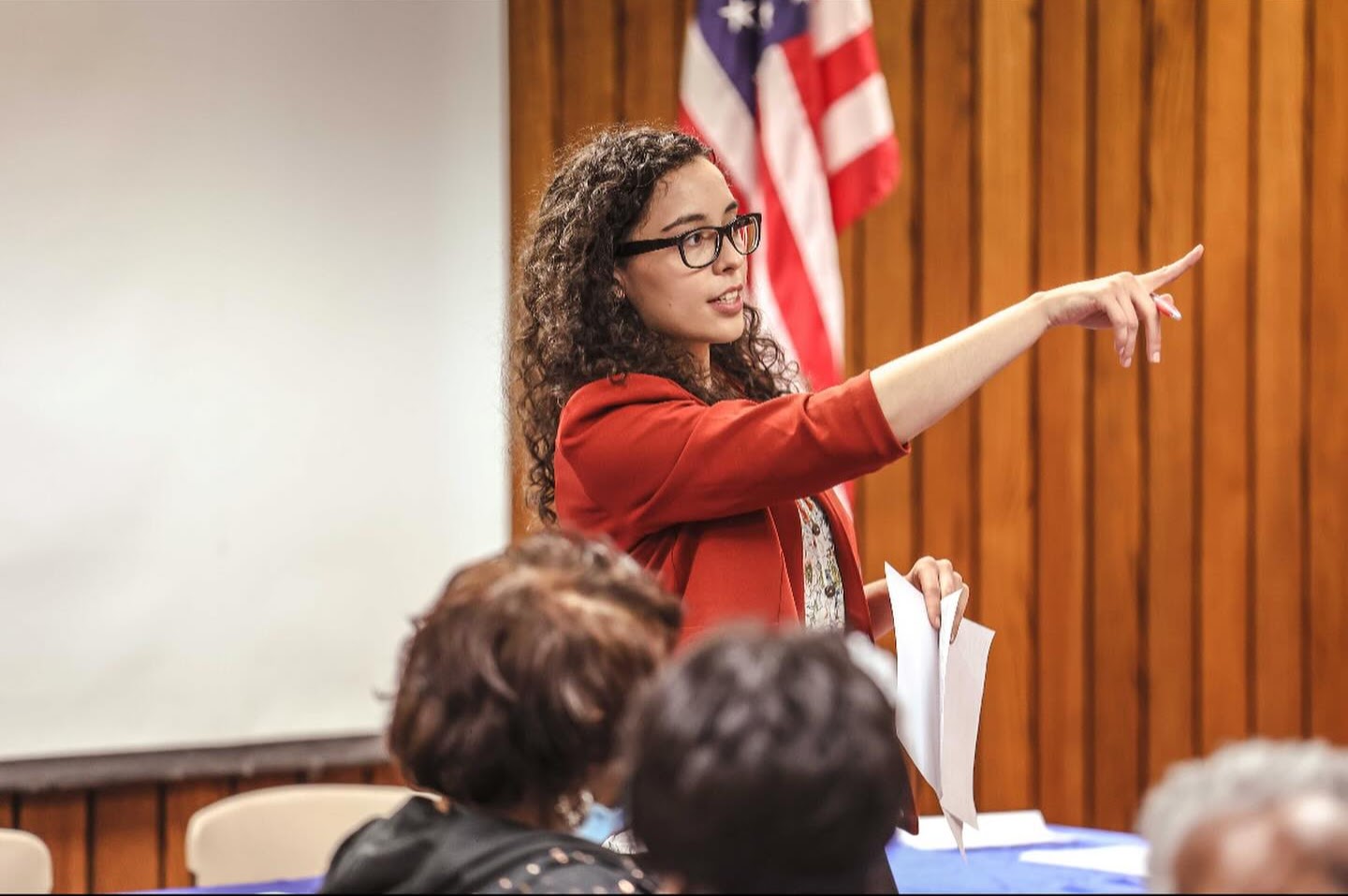
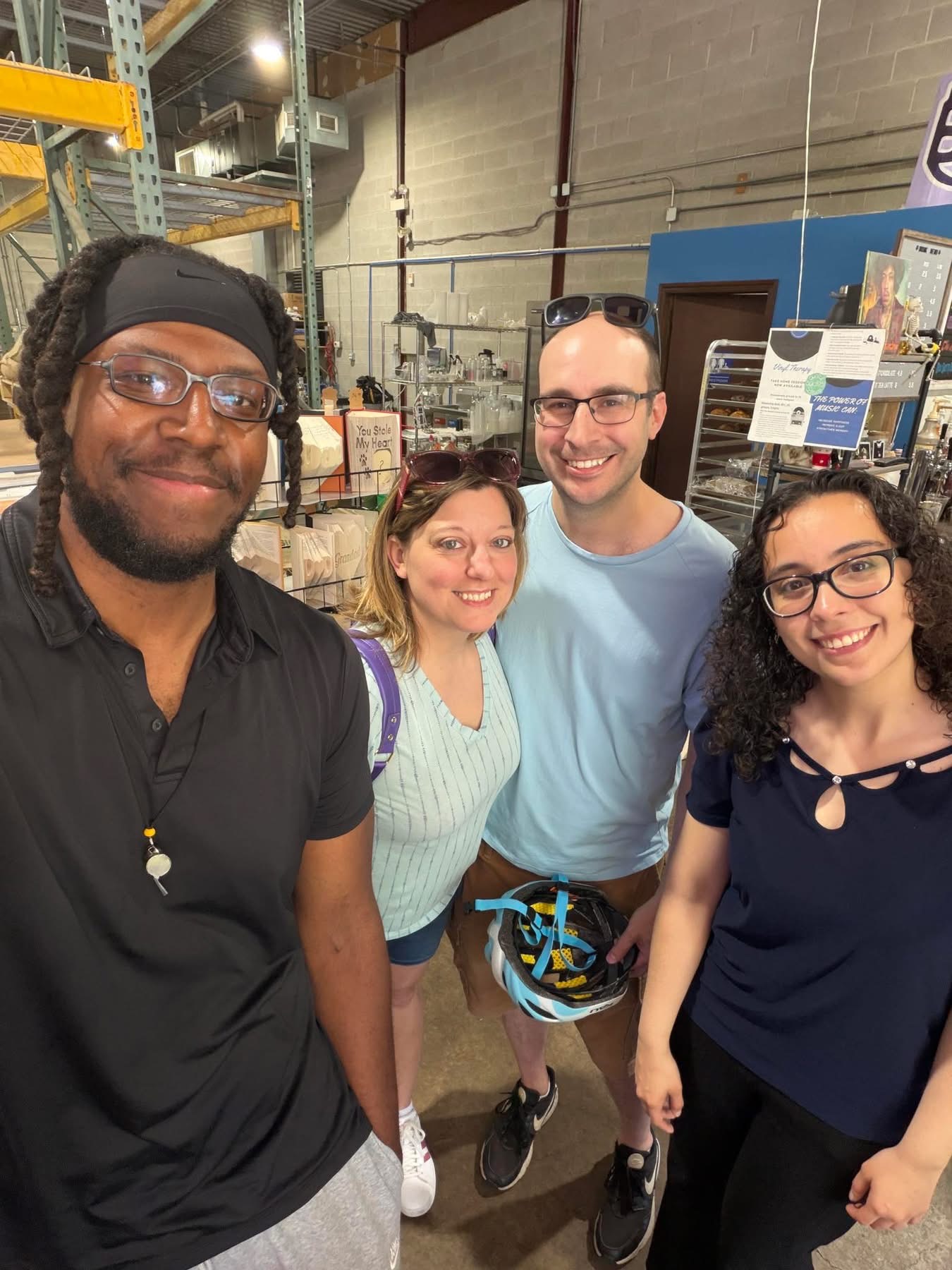
Christina Signorelli for Lake County Council District 1
CORE VISION
I Did Not Just Study Public Policy — I Lived the Consequences of It
Public policy is one of the most powerful tools local government has to shape outcomes across our economy, social structures, and environment. Decisions made at the local level have far-reaching consequences and directly influence the lives of residents.
In Lake County, public policy must be grounded in lived experience, accountability, and a clear understanding of how government actions affect real people.
PUBLIC SAFETY, RIGHTS & COMMUNITY TRUST
Public Safety Means Protecting People, Upholding Rights, and Strengthening Community Trust
Public safety is a core part of a healthy community. It includes protecting the physical and financial well-being of residents while ensuring dignity, fairness, and access to services. A secure environment allows people to live, work, and plan for the future with confidence.
Public safety is collective work that creates the foundation for long-term community growth and success.
Key priorities include:
1. Supporting well-resourced first responders
2. Investing in neighborhood safety initiatives
3. Expanding community-based prevention programs
4. Improving crime clearance rates and data sharing
5. Focusing enforcement on the individuals driving serious crime
Long-term safety comes from stable housing, access to healthcare and mental health services, and strong community resources, not fear-based policies or over-policing.
ACCESS, DIGNITY & CIVIL RIGHTS
Everyone Deserves to Feel Safe Accessing Public Services
Every community is made up of people with different backgrounds and circumstances, yet every individual has value. One of our nation’s core principles is recognizing the dignity and worth of all people.
Public services must be accessible without fear or discrimination. Public policy must uphold due process, civil rights, and equal treatment for all residents.
LOCAL SOLUTIONS FOR LOCAL PROBLEMS
Effective public policy must begin with community engagement.
Approach
1. Identify root causes
2. Engage directly with residents
3. Collaborate with local organizations
4. Partner with government agencies
5. Empower communities through education and awareness
BUILDING ON WHAT WORKS
Lake County has made meaningful progress. Strong leadership means continuing effective efforts while adapting to new challenges. Government should center on communities most impacted by public policy, and evidence-based policymaking should guide future decisions with emphasis on:
Working families
Seniors
Caregivers
Public education
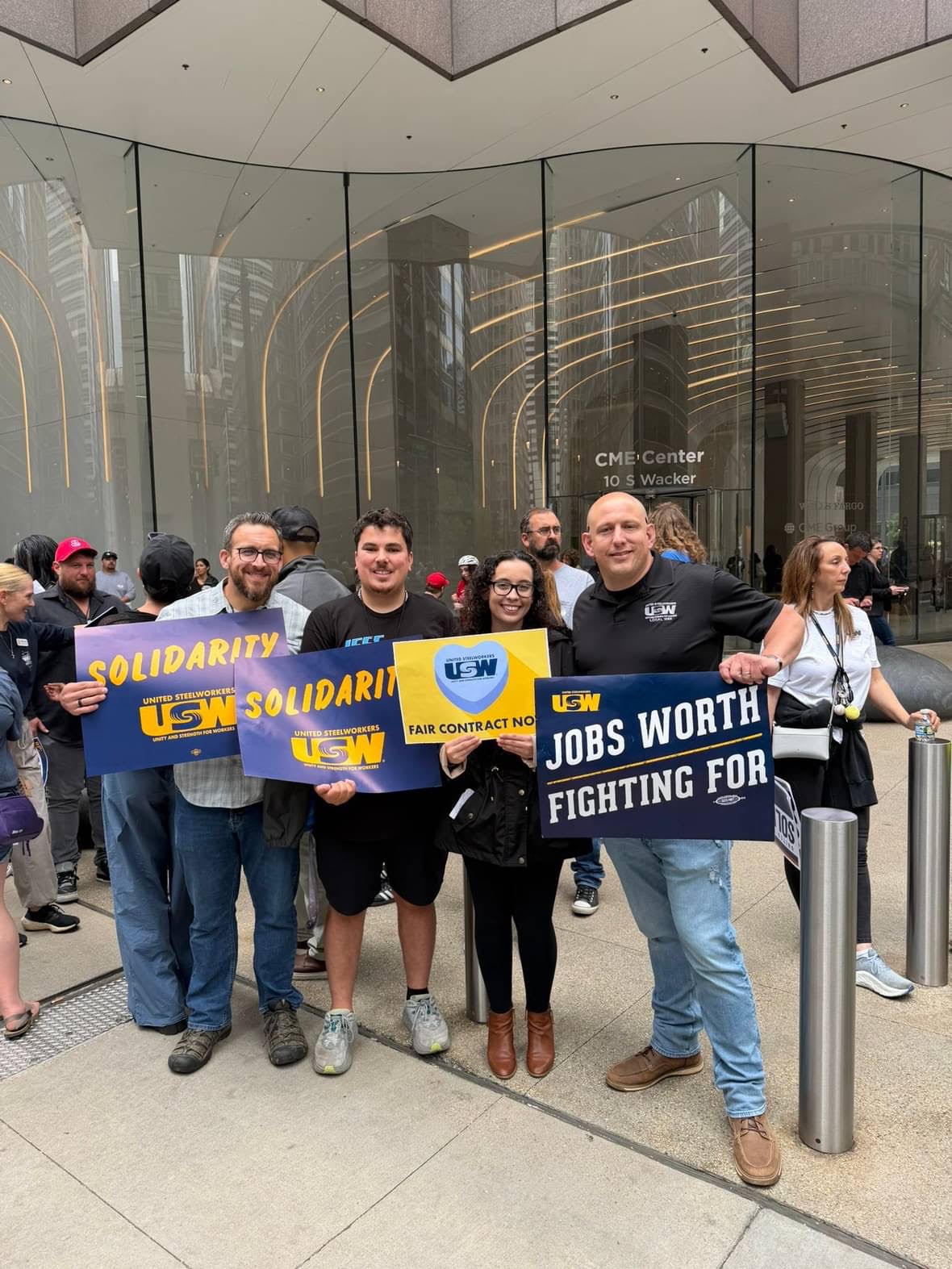
Union labor
GOVERNMENT, INFRASTRUCTURE & OPPORTUNITY
INFRASTRUCTURE & TRANSPORTATION
The Backbone of Daily Life
Roads, bridges, sidewalks, utilities, and transit systems are essential to safety, economic opportunity, and quality of life. Investments in these essential systems should be made with responsible consideration of the rising cost of living families in Lake County currently face.
Infrastructure priorities include:
- Resident-friendly utility upgrades
- Long-term investment in roads and bridges
- Stormwater, sewer, and water systems
- Walkability, bike infrastructure, and trails
- Green spaces and recreation facilities
- Regional transit connectivity
Transportation Process
Plan: Community-driven vision and project selection
Fund: Grants and responsible financing
Deliver: Transparent, environmentally responsible construction
Maintain: Complete streets principles and long-term care
Public engagement is central to every step.
RESPONSIBLE GROWTH & ECONOMIC DEVELOPMENT
Economic development should:
- Strengthen communities
- Create good jobs
- Grow the tax base responsibly
- Avoid displacement and overburdening taxpayers
Key priorities include neighborhood revitalization, historic preservation, sustainability, environmental protection, and developer accountability. Growth must work for the community, not just around it.
EXPANDING OPPORTUNITY
Opportunity should not depend on zip code. Public policy should expand access to:
- Education and workforce development
- Housing
- Small business support
- Existing public and private resources
Policy must close gaps, remove barriers, and ensure fair participation in political, social, and economic life.
BUILDING COMMUNITY TRUST AND MODERNIZING GOVERNMENT THROUGH TECHNOLOGY
Technology should strengthen, not complicate, community engagement and government efficiency.
County government modernization must be:
- Phased and well-supported
- Centered on staff training and cybersecurity
- Focused on data integrity and user access
- Implemented with capacity and planning
Improving community trust must include:
- Transparency
- Public engagement
- Inclusive and accessible technology systems
- Bridging the digital divide
- Sustainable funding for technology projects
- Measuring impact and outcomes
- Preparing for future trends
- Collaboration between residents, staff, and elected officials
FISCAL ACCOUNTABILITY
Fiscal accountability is a cornerstone of good governance and public trust. This includes:
- Transparent budgeting and reporting
- Clear justification for spending decisions
- Measurable outcomes
- Long-term financial sustainability
Responsible stewardship of taxpayer dollars builds confidence in government.
SUPPORT FOR CAREGIVERS & VULNERABLE COMMUNITIES
Caregivers, seniors, people with disabilities, immigrants, and low-income families deserve protection, support, and dignity. Commitments include:
- Treating mental health care as a core public service
- Removing unnecessary barriers to access
- Addressing power imbalances in policy design
- Ensuring inclusion in decision-making
QUALITY OF LIFE
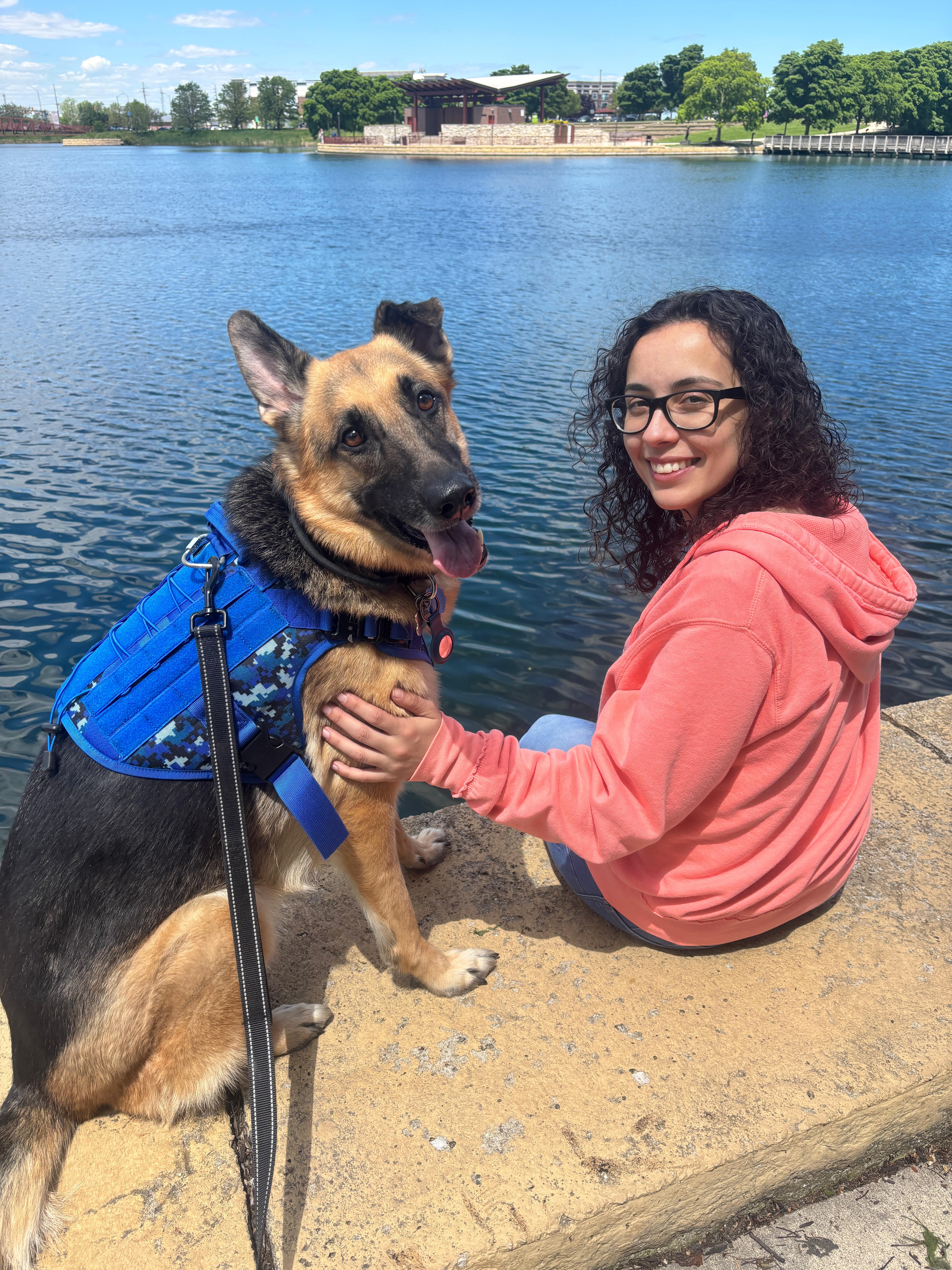
Parks, trails, and green spaces support physical health, mental well-being, environmental resilience, and strong neighborhoods making them essential investments in quality of life
Join
Join today to stay informed, get involved, and help make a positive impact where it matters most.
Will you sign up?

Michele Arnold signed up
on Join
2026-03-12 22:05:54 -0500